
SUSTAINABILITY
Nexresin turns discarded eggshells into a material, and works to reduce the use of fossil-based plastics and synthetic chemicals.
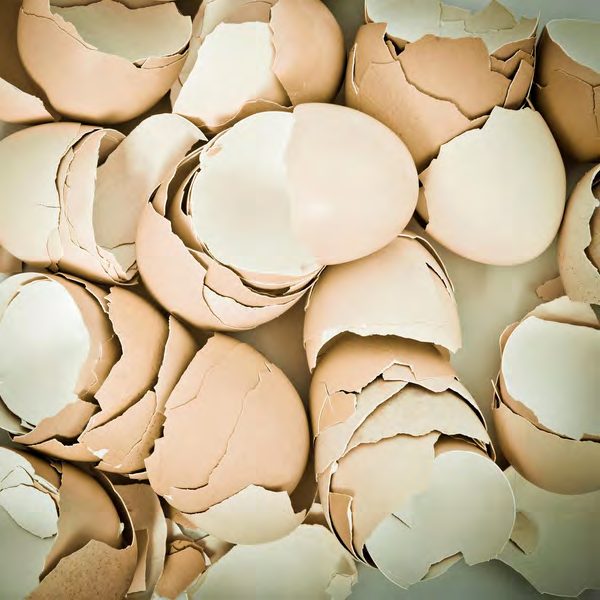
Using discarded eggshells
Most of the shells from egg-breaking plants end up in landfill or are treated as waste. About 260,000 tonnes of eggshells are discharged in Japan every year, and about 8.5 million tonnes are estimated to be generated worldwide.
Nexresin collects eggshells from food factories and turns them into SHELLIE.
Sources: Japan — Nikkan Kogyo Shimbun "Newswitch", 15 March 2020 / World — Waheed et al., Trends in Food Science & Technology, 106 (2020) (2018 estimate)
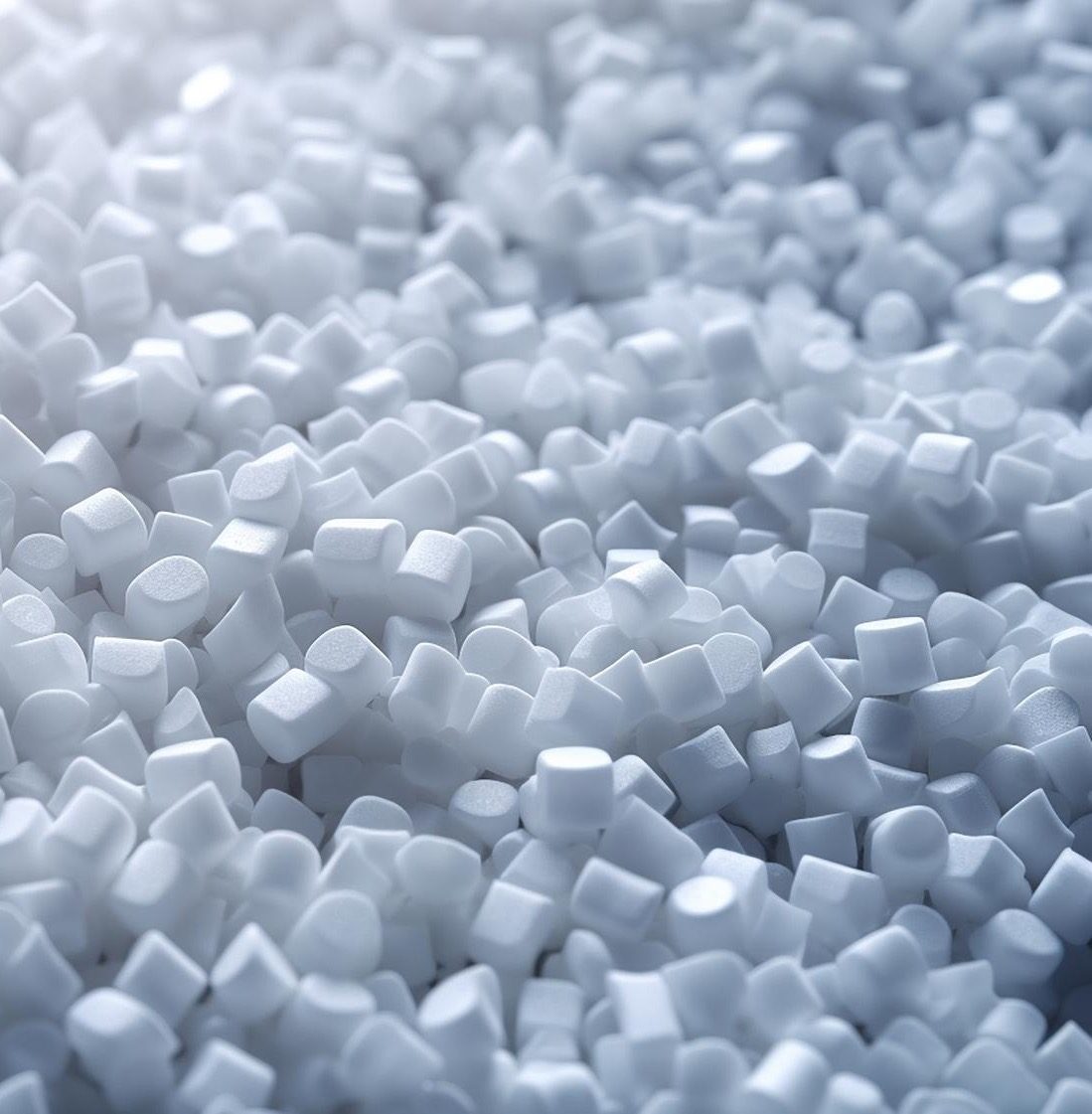
Less fossil-based plastic
SHELLIE Masterbatch contains 70–80% eggshell. Replacing part of a plastic product with SHELLIE reduces the amount of fossil-based resin.
SHELLIE is heat-resistant, and plastics made with SHELLIE Masterbatch can be recycled.
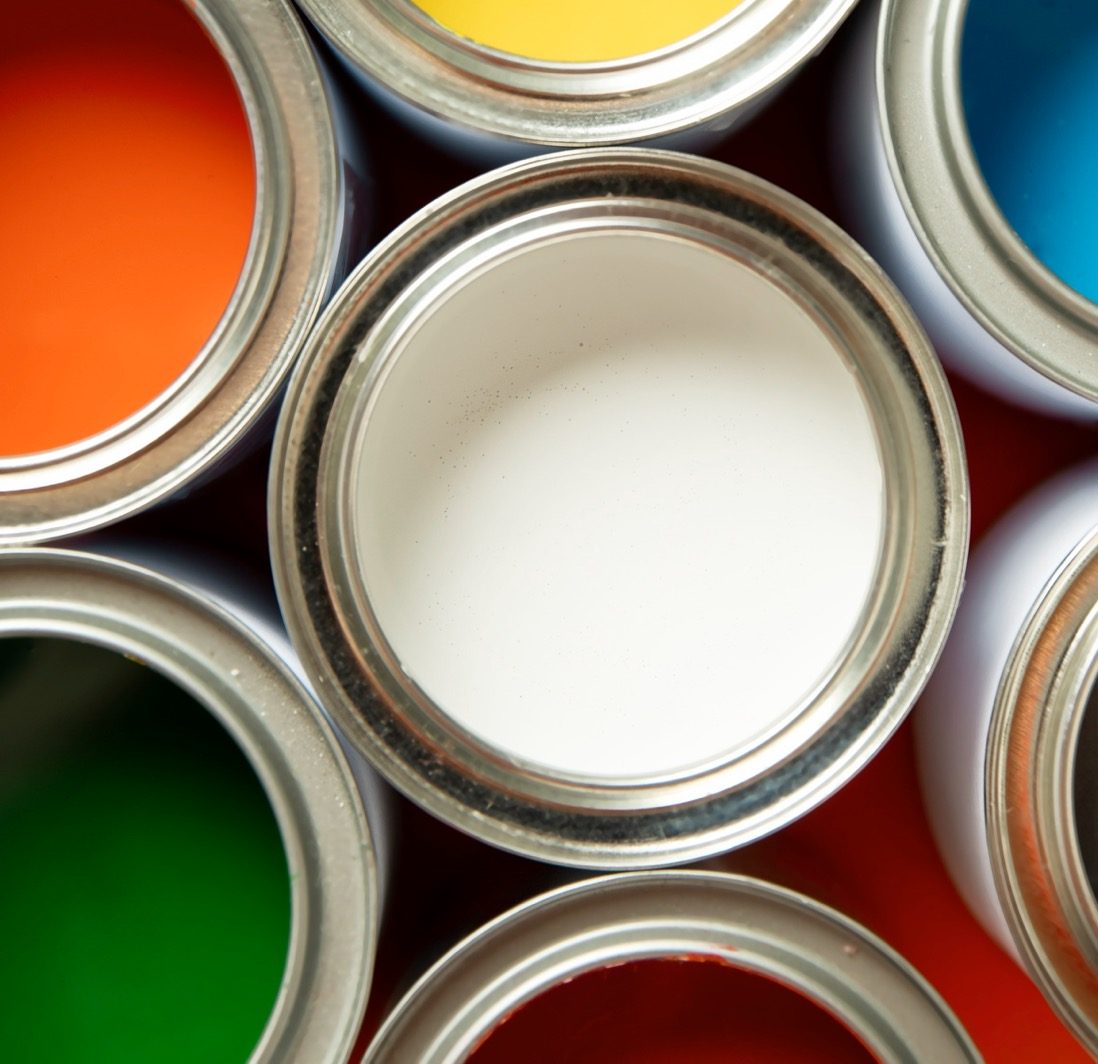
Fewer synthetic chemicals
Antibacterial and anti-rust functions have long depended on synthetic chemicals and metal ions. SHELLIE aims to provide these functions with a natural material and reduce the use of synthetic chemicals.
Seven of the planet's nine limits have been crossed.
Scientists describe nine Earth-system processes that keep our planet stable — the "planetary boundaries". The 2026 assessment found that seven of them are outside the safe range, and all seven are getting worse. One of them is "novel entities": plastics, synthetic chemicals and other substances made by humans.
SHELLIE focuses on "novel entities". By replacing antibacterial and anti-rust chemicals with a natural material, we aim to reduce dependence on synthetic chemicals and fossil-based plastics.
- 1Climate change
- 2Biosphere integrity
- 3Land system change
- 4Freshwater change
- 5Biogeochemical flows (nitrogen, phosphorus)
- 6Ocean acidification
- 7Atmospheric aerosol loading
- 8Stratospheric ozone depletion
- 9Novel entities (plastics, synthetic chemicals, etc.)
Sources: Planetary Health Check 2026 (Planetary Boundaries Science / Potsdam Institute for Climate Impact Research, PIK, September 2026) / Richardson et al., Science Advances, 9 (2023). The diagram is a simplified illustration made by Nexresin based on these assessments.
MAKING NATURE
THE NEW STANDARD
Around the world, chemical rules are getting stricter, and industry is moving to a circular economy and sustainable materials. By giving new value to natural resources that were thrown away — and creating both environmental and economic value — we want to help build a future where the power of nature is the normal choice.